A race car can grab attention in seconds. A racing sponsorship contract can fall apart in one vague sentence.
That is why businesses looking at racing sponsorships should treat the deal like any other marketing agreement. Money, deliverables, deadlines, and exit terms all need to be clear before the first logo goes on the car.
For brands exploring race team sponsorship Wisconsin options, the contract is where trust turns into action. It keeps both sides aligned when schedules change, weather hits, or a season runs longer than expected.
Start with the money, dates, and season term
The first thing to negotiate is the basic shape of the deal. That means the start date, end date, total fee, and payment schedule.
A sponsorship can sound simple until the paperwork starts. Then the details matter.
Use a clear term so both sides know what season is covered. If the team races a full calendar, say so. If the deal only covers select events, list those dates. The same goes for payment. A sponsor should know whether the fee is due upfront, split into installments, or tied to milestones.
A simple table helps keep the core terms in view.
| Term | What to set | Why it matters |
|---|---|---|
| Contract term | Start date, end date, and which races count | Avoids confusion about partial seasons |
| Payment schedule | Deposit, due dates, and final payment | Keeps cash flow predictable |
| Deliverables | Logo spots, posts, tickets, appearances | Shows the sponsor exactly what it buys |
| Make-good plan | Extra posts or appearances if events change | Protects both sides when weather interferes |
That last line matters more than most people expect. Racing does not run on perfect weekends.
A handshake opens the door. The contract keeps the room honest.
If the agreement includes a renewal option, spell that out too. A good renewal clause gives the sponsor first choice or a notice deadline before the next season starts.
Spell out the deliverables the sponsor gets
This is where many deals get fuzzy. The sponsor wants exposure, but exposure is not a deliverable unless the contract says what it looks like.
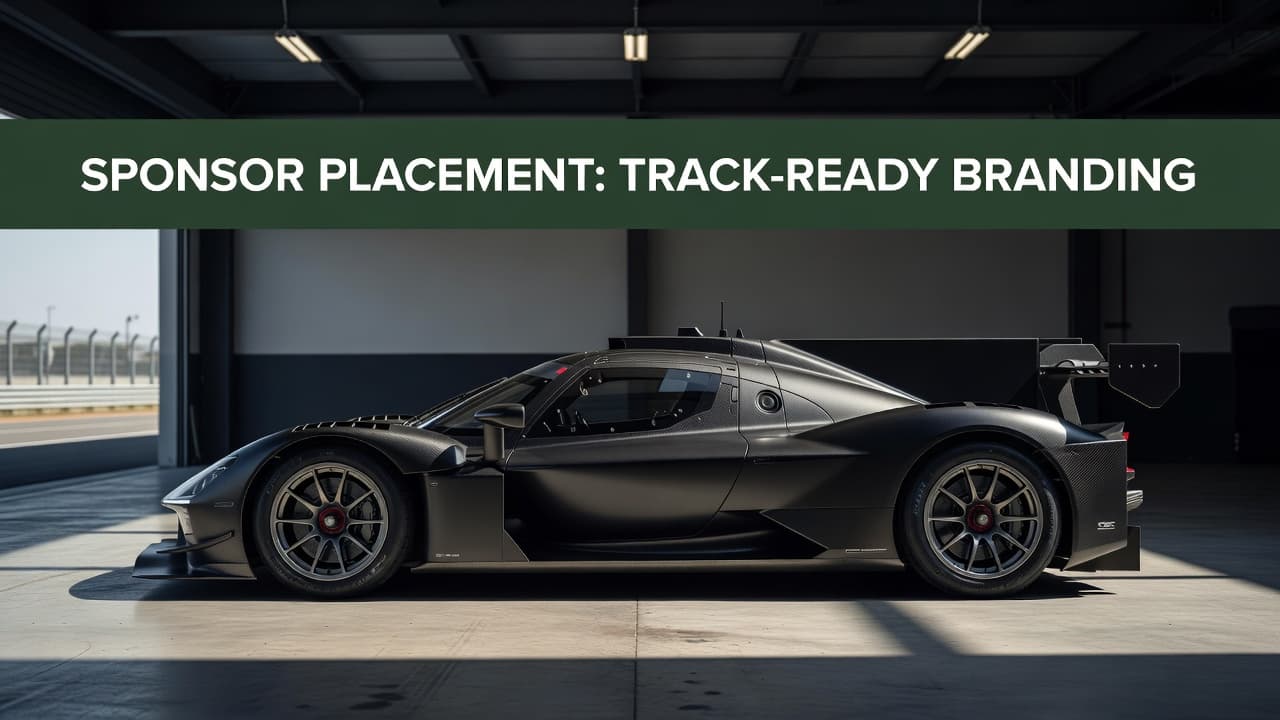
Logo placement is a good place to begin. List the exact spots, such as the quarter panel, windshield banner, trailer, crew shirts, website, or social profiles. If the sponsor wants category exclusivity, say so in plain language. A beverage brand, for example, may not want a direct competitor on the same car.
Brands also care about social media. Put a number on the posts, the platforms, and the timing. If the sponsor expects race-weekend posts, say that. If it wants a recap post after each event, include that too.
That level of detail matters because vague promises cause friction later. SponsorUnited’s look at sponsorship frustrations shows how often deals go sideways when the rights and duties are not defined clearly.
Other deliverables belong in the agreement as well:
- Race-night tickets or hospitality passes
- Driver appearances at a store, office, or community event
- Press mentions or local media shout-outs
- Photo and video usage rights for the sponsor’s own marketing
- Product display, samples, or booth space at selected events
If the sponsor wants assets for its website or sales team, state who supplies the photos and when they arrive. A strong racing sponsorship contract does not leave those questions to memory.
Set the work, the approvals, and the deadlines
A sponsorship is a partnership, so both sides have work to do. The contract should say who handles each task.
If you’re figuring out how to sponsor a race team, this is where many deals get easier to manage. The team needs logo files, brand rules, and maybe product samples. The sponsor may need track photos, post copies, or approval of how its name appears in a press release.
The fastest way to create problems is to leave those jobs vague.
A clear agreement should answer questions like these:
- Who sends the final logo files?
- Who approves social posts before they go live?
- How fast must each side respond to an approval request?
- Who prints decals, shirts, and banners?
- Who confirms each appearance or giveaway before race weekend?
Deadlines matter just as much as tasks. If the team needs the sponsor’s artwork by a certain date, put that date in writing. If the sponsor needs a proof before the car gets wrapped, include a response window.
This part of the deal also needs a voice check. A sponsor may want a friendly tone in one post and a product-focused tone in another. The contract can name who has final say on language.
For a simple reference point on the structure of a sponsorship agreement, Sponsorsquare’s agreement definition keeps the focus on the basics, clear rights, clear duties, and clear use of the brand.
Protect the deal if plans change
Racing is full of moving parts. A contract should deal with that reality before it becomes a problem.
Start with insurance. The team should carry the coverage it needs for the track and for any sponsor activations. If the sponsor is sending staff, customers, or products to an event, the agreement should say how liability is handled.
Then add the end-of-deal rules. If one side misses a payment or breaks a major promise, the other side needs a clean exit path. The contract should also explain what happens if a race is canceled, a car is damaged, or an appearance cannot happen.
Good agreements also include a make-good plan. That can mean an extra post, another appearance, or a future event slot. The sponsor should not have to guess how missed value gets replaced.
Some sponsors also ask for performance language. In racing, that needs care. The sponsor cannot reasonably expect a win every weekend, so the contract should focus on effort, exposure, and agreed deliverables instead of trophies.
A fair agreement should also cover brand safety. If either side uses the other’s name, logo, or photos, the usage should stay within the approved scope. The sponsor’s brand matters. So does the team’s.
That is one reason commercial contract guidance from Hunton is useful here, because good contracts do not just start well, they also handle problems without drama.

Make the contract fit Wisconsin racing
A sponsor in Wisconsin should look at more than a logo on a fender. It should look at the local audience, the travel schedule, and the regional reach.
That matters for short track racing Wisconsin fans, where weekends often draw loyal local crowds. It also matters for Wisconsin stock car racing, where a team may race at different tracks across the state and nearby Midwest markets. For a business that wants to sponsor a race car Wisconsin, that mix can bring both local visibility and broader exposure.
The best contracts match the sponsor’s goals to the team’s real footprint. A restaurant may want race-night traffic. A contractor may want name recognition across county lines. A manufacturer may want a regional brand presence tied to Midwest race team sponsorship. Those are all valid goals, but they need different deliverables.
That is why racing sponsorship opportunities Midwest businesses see are strongest when the contract maps out where the team races, who the fans are, and how often the brand will show up. If the team travels across Wisconsin and nearby states, the sponsor gets more than one track. It gets repeated exposure in front of the same buying audience.
If you want to see the person behind the seat, read Joel Willman’s driver bio. It helps put the partnership in context.
If the fit looks right, Become a Sponsor and start the conversation.
Questions to ask before you sign
A good contract usually answers the big questions before anyone asks them. Still, a final review helps.
Ask these before you sign:
- Does the term match the race schedule?
- Do the payment dates match the sponsor’s budget cycle?
- Are the deliverables written in plain language?
- Is there a make-good plan if weather or damage cuts into the season?
- Does the termination clause protect both sides if the deal stops working?
If any answer feels vague, the contract needs another pass. That is true for local sponsorships and for larger deals tied to how to sponsor a race team across a full regional program.
Conclusion
The best sponsorship deals are clear before the first green flag. They define the money, the exposure, the work, and the fallback plan.
For businesses comparing racing sponsorships in Wisconsin, that clarity is what turns a car decal into a real marketing partnership. It gives both sides room to focus on the season instead of the fine print.
A strong racing sponsorship contract does one simple thing well, it leaves less to chance.