The first season of a sponsorship often teaches the fastest lessons. A brand can buy space on a car, then learn that attention does not happen by accident. That is why first-season sponsors works best when you treat it like a marketing plan, not a one-time purchase. The right race team can put your name in front of local fans, but the real value comes from what happens before, during, and after race day.
If you’re exploring racing sponsorships in Wisconsin, the early questions matter more than the paint scheme. The teams that get lasting support usually help sponsors understand the full picture early.
The first season is a test, not a finish line
Many sponsors expect the first race to tell the whole story. It rarely does. The first season is where both sides learn how to work together, what the audience responds to, and how much activation fits your brand.
That is especially true in short track racing Wisconsin and Wisconsin stock car racing. Fans at these events care about people, effort, and local ties. They notice whether a sponsor shows up in a real way or only adds a logo and hopes for the best.
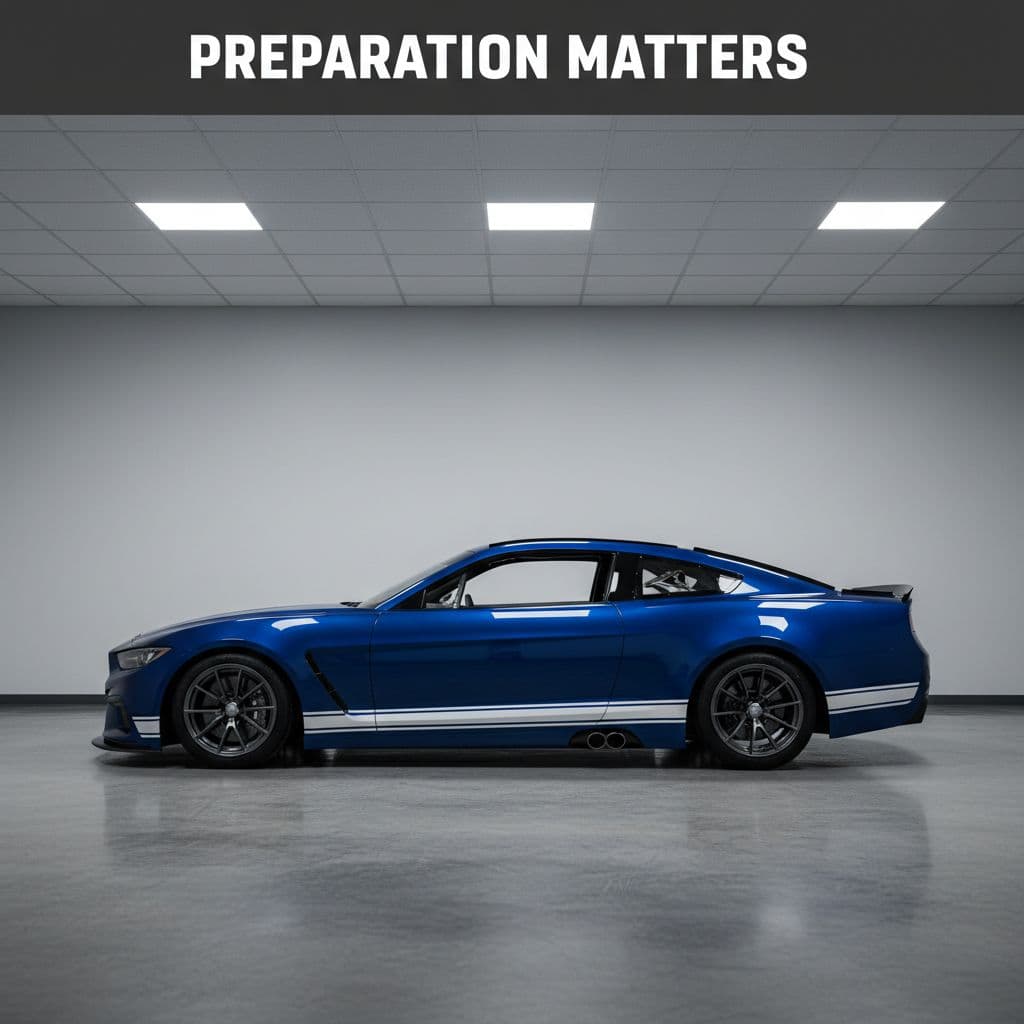
A strong first season starts with clear expectations. The sponsor should know what the team will deliver, how often it will happen, and what success looks like by midseason. That could mean trackside visibility, social posts, fan photos, or local appearances.
The best partnerships feel practical. They give a business a way to meet customers where they already spend time. For many brands, that means racing sponsorships are less about the car itself and more about the audience around it.
A logo is a start. A plan is what turns attention into value.
The questions sponsors should ask before signing
Before you commit to race team sponsorship Wisconsin, ask the same kind of questions you would ask any other marketing partner. What does the package include? Who creates content? How often will the sponsor be mentioned? What kind of reporting comes back?
A clear proposal should spell out the basics without making you guess. That includes logo placement, social media mentions, hospitality, fan engagement, and any photo or video assets you can use later. For a helpful benchmark, review this racing driver sponsorship guide, which breaks down the details that many first-time sponsors miss.
You should also ask how the team handles communication. A sponsor should not chase updates. If the team is organized before the season starts, that usually carries into race weekend and beyond.
A simple checklist helps:
- Deliverables: What does the sponsor get, and how often?
- Audience: Who sees the brand, in person and online?
- Content: Will the team provide usable photos, captions, or clips?
- Contact: Who manages the partnership during the season?
- Follow-up: How will results be shared after each event or month?
These details sound small, but they shape the whole season. If you want to know how to sponsor a race team well, start by treating the agreement like a working relationship, not a decal order.
Why local fit matters in Wisconsin
A sponsor gets more out of the deal when the team fits the market. That matters a lot in Wisconsin, where local pride and regular track attendance can drive real visibility. If you want to sponsor a race car Wisconsin, the first question is not size, it is fit.
For many businesses, Midwest race team sponsorship works best when the team races where the company already has customers. That makes the brand easier to remember. It also gives sales teams and local staff a natural story to tell.
The same idea applies to racing sponsorship opportunities Midwest. A sponsor in Madison, Green Bay, Eau Claire, or a nearby market may benefit more from a team that shows up often than from one with a bigger but distant footprint. Consistency builds recognition.
If you want a clearer view of the people behind the car, the Wisconsin race car driver profile gives useful context on the team and its approach to partnerships. That kind of background matters because people sponsor teams, not just paint jobs.
For brands comparing options, think about where your name will live all season. Will it be visible only on race night? Or will it appear in posts, photos, recaps, and community events too? The best Wisconsin stock car racing partnerships answer that question with a clear yes.
A first season plan that holds up after the opener
The strongest sponsors do not wait for the season to tell them what to do. They walk in with a plan and stay flexible. That usually looks like a simple rhythm, not a giant campaign.
One useful approach is to set three checkpoints:
- Before the first race, agree on goals, assets, and contact points.
- Midseason, review what is working, then adjust the mix of exposure and content.
- After the season, look at reach, team support, and whether the partnership should grow.
That structure keeps expectations realistic. It also helps sponsors see that race sponsorship is a long game. The first season builds familiarity. The next one builds trust.
Businesses looking for a real Midwest race team sponsorship should also think about activation beyond the track. Can the team appear at a store opening, customer event, or community day? Can its photos be used in email, social, or print? Those touchpoints often matter more than one extra logo placement.
If that sounds like the kind of partnership your brand needs, the next step is simple. Use Become a Sponsor to start the conversation and ask for a package that fits your goals.
Conclusion
What sponsors wish they knew before their first season is simple, the best deals are built on clarity. The team should know your goals, and you should know what the season can realistically deliver.
When the partnership fits, racing sponsorships become more than exposure. They become a steady way to connect with local fans, build trust, and keep your brand in front of people who notice effort.