A race car can work like a moving billboard, but that’s only half the story. In Wisconsin’s grassroots racing scene, short-track racing sponsorship also puts your brand next to handshakes, hometown fans, and repeat race nights that build trust over time.
That sounds great, but small businesses still need the math to work. The right package should match your budget, your market, and your marketing strategy, delivering the kind of results you can track after the green flag drops.
What racing sponsors are really buying with a short-track sponsorship
Most small business owners picture a logo on a hood or fender. In practice, a sponsorship package is usually a mix of media exposure, local goodwill, sponsorship assets, and reusable marketing content.
A basic package may include a small decal, one social media post, and a few pit passes. A stronger season deal often adds larger logo placement, driver mentions, trailer branding, team photos, hospitality, appearances at your store or event, branding opportunities, and social media presence. Some teams also include website mentions and race recap posts.
As of the 2026 season, entry-level Wisconsin team packages for potential sponsors often start around $300 for a one-race logo and move upward based on logo size, race count, and extras. Season-long small-logo packages commonly land in the $1,500 to $4,000 range, while bigger seasonal placements can go much higher.
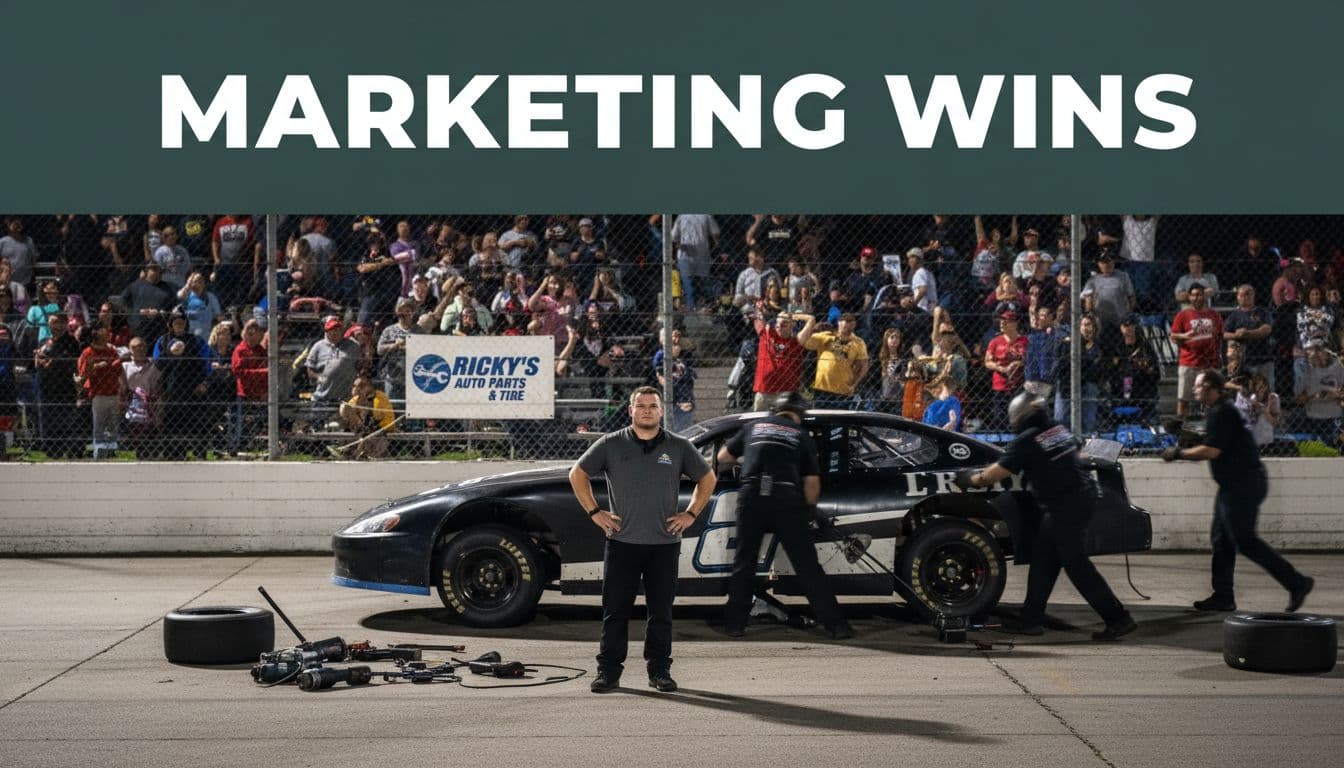
That matters because Wisconsin racing isn’t a one-night flash. Fans return week after week at places such as Slinger Speedway, Madison International Speedway, Wisconsin International Raceway, and Dells Raceway Park, delivering consistent audience demographics for club racing. Tracks across the state market that same local reach, from Slinger Super Speedway marketing information to Dirt City Motorplex partnerships.
So, what are you buying? Think of it like a bundle. One part is signage, content, and community presence. The best race sponsorships combine all three.
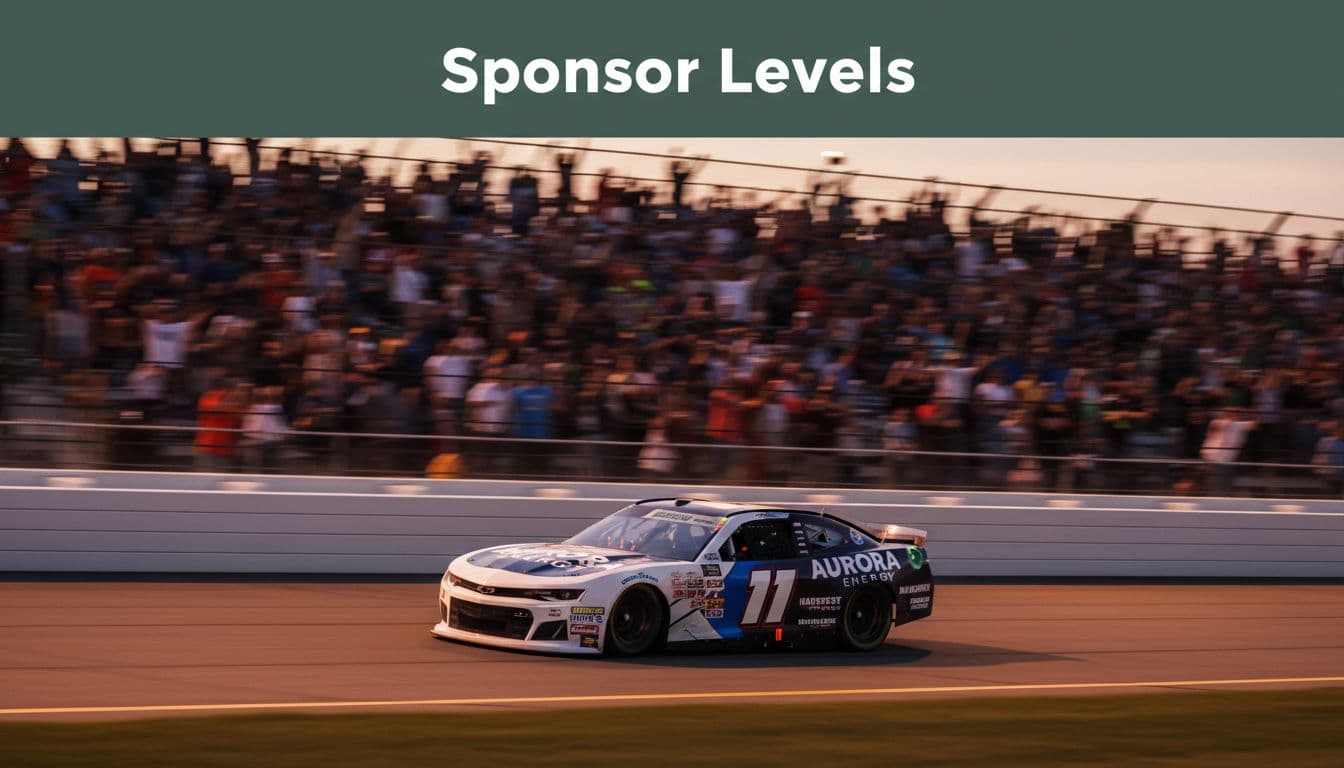
Sponsor levels, package pieces, and realistic budgets
This quick comparison of common sponsorship proposals helps local businesses evaluate commercial arrangements in plain English.
| Sponsor level | Best fit | Common package pieces | Typical 2026 budget |
|---|---|---|---|
| Title sponsorship | Brand wants top billing all season | top placement, repeated mentions, appearances, premium hospitality | Custom quote, often at primary level or higher |
| Primary sponsor | Business wants major visibility | large hood or door logo, regular social posts, guest passes, photo use | $12,000 to $35,000+ season |
| Associate sponsor | Small business testing a season deal | quarter panel or fender logo, recurring shoutouts, some pit access | $1,500 to $4,000 season |
| Race-night sponsor | One event, sale, or grand opening push | single-race branding, PA mention, a few passes, one or two posts | $300 to $1,500 per race |
| In-kind sponsorship | Company offers goods or services | parts, printing, food, fuel, shop work, plus branding and mentions | Varies by trade value |
For most Wisconsin small businesses acting as potential sponsors, associate and race-night packages are the smartest place to start. They cost less, give you a clean test run with solid branding opportunities, and still put your brand in front of local fans. Meanwhile, in-kind sponsorship deals can work well for print shops, restaurants, repair businesses, and service providers that already have something useful to offer a team.
Title and primary deals make sense for racing sponsors seeking race sponsorship with broad season-long exposure, provided you have a plan to use it. If the logo only sits on the car and never shows up in your own ads, emails, or showroom, the value drops fast.
How to decide whether a package is worth the investment
The best package isn’t always the biggest one. It’s the one tied to business objectives.
If you want more local foot traffic, a race-night sponsorship with tickets, a booth, and a track mention may beat a large season decal. You want long-term brand awareness and a strong return on investment, a season package with repeat social posts and photo rights often makes more sense. If you sell to other businesses, guest hospitality and pit access can help more than raw logo size.
A good sponsorship should be easy to explain on Monday morning: who saw it, what you got, and how you’ll use it again.
Ask how results are tracked for sponsorship ROI. Good teams and tracks should be able to discuss race schedule, crowd estimates, social reach, photo delivery, driver appearances, and return on investment details like what happens if rain wipes out an event. Larger Wisconsin venues, including Road America sponsorships, sell the same core promise to a broader target audience in major racing series, live fan contact plus brand recall. Short tracks offer that on a smaller scale, but often with a tighter local bond.
Also look past race night. Can your business use team photos in Facebook ads to build social media presence? Will the driver visit your store? Can you run a promo code tied to a race weekend? Those extras turn sponsorship from a cost into a campaign that aligns with your marketing goals.
Questions to Ask Before Signing a Sponsorship Agreement
Before writing a check, make sure the package is clear and the fit is real. A team with a strong local story, like meet driver Joel Willman, gives you more to market than a logo alone.
Use this short checklist as a discovery session between your business and the team:
- Which 2026 races are confirmed? Ask for tracks, dates, and expected event count.
- Where will the logo go? Placement and size change value fast.
- What off-track promotion is included? Social posts, photos, appearances, and website mentions matter.
- Can you reuse team media for sponsor activation? Photo and video rights help extend the buy.
- How will results be reported? Ask for post-event recap details.
- What contingency sponsorship terms apply if weather cancels a race? Make-up terms should be in writing.
- Do you get any category protection? You don’t want direct competitors on the same car if exclusivity matters.
Clear answers now prevent hard feelings later.
Unlike professional racing, a short-track sponsorship works best when it fits your goals, not your ego. Start with the audience you want, choose the package that supports it, and make sure the team helps you use the exposure beyond race day to build a strong sponsorship relationship.
If you’re a potential sponsor among racing sponsors comparing race sponsorship options like club racing for the season ahead, review these racing sponsorship opportunities in Wisconsin and request a sponsorship proposal built around business objectives you can measure.