If you’re trying to pin down Wisconsin race sponsorship cost in 2026, the price range can look wide. One team may quote a few hundred dollars for a small decal, while another asks five figures for season-long primary branding.
Motorsports sponsorship is a diverse field, so that gap usually comes down to exposure, schedule, logo placement, and how well the team promotes sponsors away from the track. For most Wisconsin short-track programs, the smart move is to compare packages by what they include, not by the price alone, and ensure they help businesses meet their specific marketing objectives.
What local race team sponsorship usually costs in Wisconsin
For small and mid-sized businesses, local racing sponsorships offer more flexible advertising opportunities than radio, print, or event ads. You can start small, test the fit, and grow if the partnership works.
Here’s a practical 2026 pricing guide for Wisconsin short-track and Midwest regional teams:
| Package type | Typical 2026 range | What’s usually included |
|---|---|---|
| Small decal or support partner | $300 to $1,500 for one race, or $1,500 to $4,000 for a season | Small logo on quarter panel, rear deck, or lower fender; one thank-you post; limited pit passes; occasional track announcement |
| Mid-tier seasonal partner | $4,000 to $12,000 | Better logo placement, recurring social posts, team photos for marketing, pit access, some hospitality, limited merch or promo use |
| Primary or title sponsor | $12,000 to $35,000+ for a season | Hood, door, or top-side focus; strong track mentions; regular social features; hospitality packages; appearances; category sponsorships; broader logo-use rights |
Teams often create a customized package tailored exactly to your budget and goals.
The biggest takeaway is simple. Most local sponsors land in the middle, not at the top.
That mid-tier range is where many Wisconsin businesses get steady exposure without stretching the budget too far, especially when factoring in campaign finance for the season. A restaurant, HVAC company, bank, or auto shop can often get solid season-long value there.
Single-race headline deals also exist. For example, a race weekend primary placement at a well-known Wisconsin track can boost brand recognition for about $1,500 to $4,000, especially during busy summer dates or special events.
Exact pricing varies by team, class, schedule, track exposure, and the driver’s following. Always ask for a written list of deliverables.
What pushes sponsorship prices up, or keeps them affordable
The first price driver is the race schedule. A team running 8 local nights is selling less brand exposure than one running 20-plus dates across Wisconsin and nearby states. More race nights usually mean more photos, more fan contact, and more sponsor mentions.
Track profile matters too. A weekly local show has value, but larger crowds and bigger events raise package rates. In Wisconsin, names like Slinger Speedway, Madison International Speedway, Wisconsin International Raceway, and La Crosse Fairgrounds Speedway carry more weight because they bring larger audiences with the right target audience and attendee demographics, plus stronger regional recognition through raceway signage, event entitlement, and landmark entitlements. Unlike sponsorships tied to national telecast events, these local venues keep costs more accessible.
Car placement changes the number fast. A small logo near the rear wheel costs far less than hood space or a large door logo, and racing divisions play a role too since top classes attract premium pricing. Think of it like shelf space in a busy store. Eye-level costs more because more people notice it.
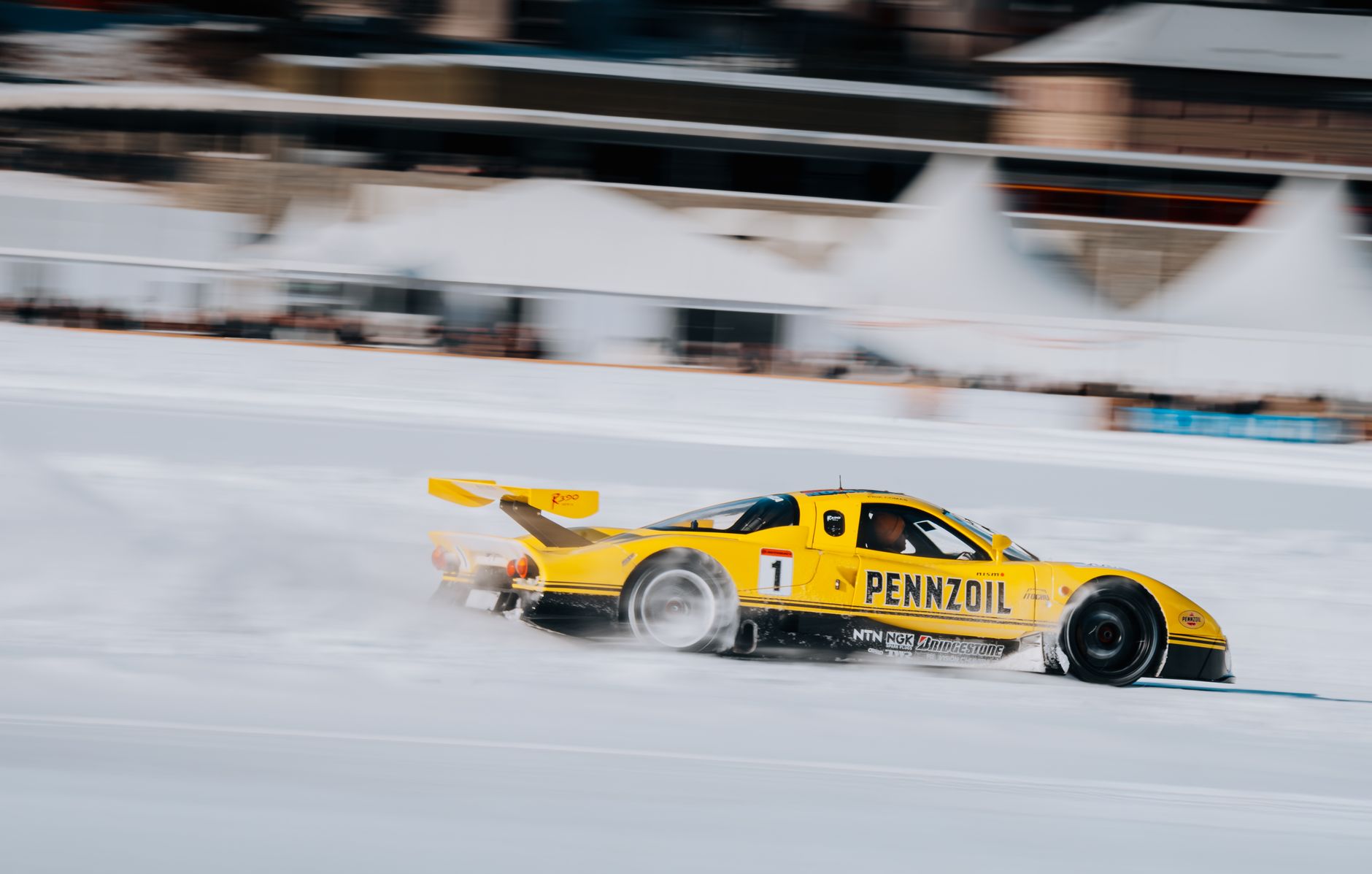
Photo by Luca Photo
Then there’s the off-track value. Some packages stop at the decal. Others include weekly sponsor tags, recap posts, reels, professional photos, pit access, customer nights, merchandise placement, and driver appearances. That extra work takes time, so it adds cost.
This pricing logic shows up in other Wisconsin event marketing too. On the Wisconsin Events sponsorship page, packages get more expensive as visibility, signage, and face-to-face access increase.
The team itself also matters. Fans back drivers they trust. That means a team with a clear story, strong local roots in the racing community, solid campaign finance for its seasonal operating budget, and regular sponsor promotion can be worth more than a faster car with weak follow-through. Before you buy, take time to Meet the Willman Racing driver and look at how the team talks about partners, community, and race-day presence.
How to choose the right package for your business
The cheapest deal isn’t always the best buy. A $2,500 package with weekly posts, pit passes, and good photo use can beat a $5,000 package that only gives you a sticker.
For most small businesses, season-long repetition matters more than one big splash. Fans need to see your name again and again to build brand loyalty. That’s why many racing sponsorships work best when your logo appears on the car, in social content, and at the track all season.
A rough benchmark many buyers use when managing campaign finance is simple: try to get about $2 to $4 in return on investment for every $1 spent. That doesn’t mean every dollar turns into a direct sale. It means the package should give you repeated brand exposure, usable content, customer entertainment, and local trust.
Before you sign, ask these questions:
- Where will the logo go? Hood, door, quarter panel, deck lid, and suit placement all carry different value.
- How many race dates are included? A 20-race season is not the same as a six-race partial deal.
- What media comes with it? Ask about posts, tags, photos, video clips, recap mentions, marketing activation, and marketing tools.
- What access do you get? Pit passes, hospitality through experiential ways such as corporate retreats, meet-and-greets, group outings, and client nights can matter as much as the car.
- Can you use the team in your own marketing? Get clear terms for photos, logos, appearances, and category exclusivity.
Also, match the package to your goal and attendee demographics. If you want local awareness, a mid-tier seasonal plan often makes more sense than a one-night primary. If you’re launching a product or opening a new location, a short burst with strong hospitality may fit better.
Buy the relationship for promotional opportunities, not only the sheet metal.
Spend for value, not for bragging rights
Local race team sponsorship in Wisconsin can start small and still work, with Wisconsin race sponsorship costs as low as a few hundred dollars to get your brand on a car or climbing past $20,000 for a serious season partnership.
For small brands, local business recognition stands out as a primary benefit. The best package is the one your business can use well. Ask for clear deliverables, compare real exposure, and choose a team that promotes partners with the same effort it brings to race night.
If you’re reviewing proposals now, approach your campaign finance with this question: will this package put your brand in front of speedway supporters often enough to deliver high impact marketing?