A sponsor pitch deck can open the door, or it can end the conversation before it starts. For Wisconsin businesses comparing racing sponsorships, the deck has to show value fast. It should make the partnership easy to picture, from race nights to social posts. The teams that get replies build around clear proof, not empty polish.
Why generic sponsor decks get ignored
A lot of decks look busy, yet they say very little. They lead with car photos, logo mockups, and broad claims about exposure. That may feel polished on the team side, but buyers see a request for trust without evidence.
Business owners do not want a five-minute pep talk. They want fast answers to three things, who is on the team, where the brand will appear, and what the sponsor gets back. If someone is learning how to sponsor a race team, those answers should show up early. Otherwise, the deck feels like a flyer with no plan behind it.
Timing matters too. Most decision makers read sponsor materials between meetings or after hours. They skim first, then decide whether the rest deserves time. A sponsor pitch deck that makes them search for the basics loses ground right away.
In Wisconsin stock car racing, reputation travels fast. A team that looks scattered in its materials can look scattered on race day too. That is a problem, because sponsors buy confidence as much as visibility.
What a strong race team pitch deck actually includes
A strong deck is not long. It is selective. The best versions open with a clear summary, then move into a few support pages that are easy to scan. They put the important parts up front, because buyers do not want homework.
A deck also feels stronger when it introduces the person behind the wheel, like Wisconsin race car driver Joel Willman. A sponsor is not buying a car. It is buying a team, a story, and a public face that will carry the brand through the season. That is why the opening pages should show the driver, the crew, and the setting in plain terms.
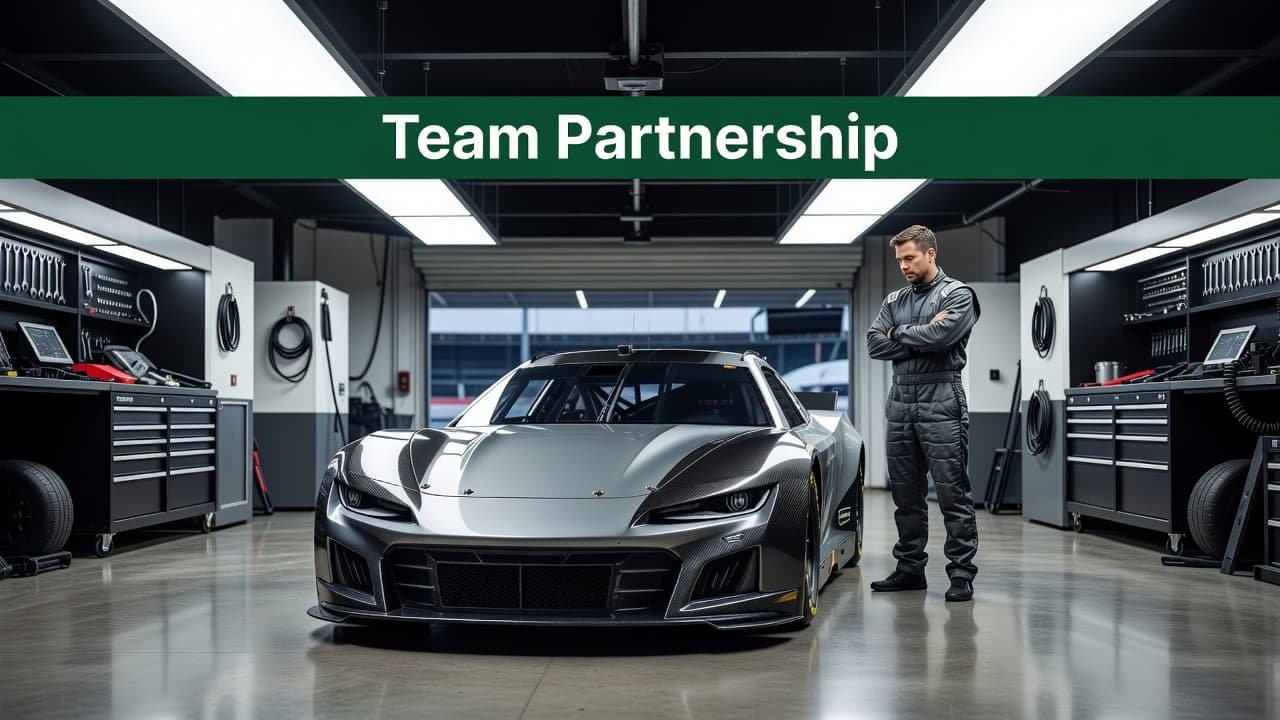
The packaging matters too. Clean photos, short captions, and clear package names do more than dense slides ever will. When a deck looks organized, the partnership feels organized. That matters in Midwest race team sponsorship talks, where many companies want local reach without long meetings. The right deck makes racing sponsorships feel practical, not vague.
A good first version can be short. A better follow-up version can go deeper with track lists, appearance details, and sponsor examples. That gives the buyer a simple way to move from interest to review.
The pages sponsors want to keep open
The best sections answer one question at a time. If a page tries to do everything, it usually does nothing well.
| Deck piece | What it should answer |
|---|---|
| Team story | Why trust this team? |
| Audience reach | Who sees the brand? |
| Deliverables | What does the sponsor receive? |
| Schedule and venues | Where and when will exposure happen? |
| Media samples | What does the brand placement look like in real life? |
That simple structure keeps the deck honest. It also helps the buyer move through the pitch without losing the thread.
The team story should sound human and specific. It should explain where the team came from, what it stands for, and why the crew matters. The audience section should show where the fans are and how often they see the brand. The deliverables section should spell out what the sponsor gets, not hide it behind broad language.
That last point matters for race team sponsorship Wisconsin buyers. If a company wants to sponsor a race car Wisconsin, it needs to know what gets placed on the car, what shows up online, and what kind of use comes with the photos. Vague wording makes a sponsor do the guesswork. Clear wording makes the deal easier to move forward.
Schedule and venues matter for another reason. A season is a calendar, not a promise. If the deck shows track dates, regional stops, and event types, the sponsor can picture the actual mileage on the brand.
What Wisconsin businesses look for in a race team partnership
Wisconsin businesses usually look for local fit, clean execution, and a reason to share the partnership inside their own company. That is true for a manufacturer, a contractor, a retailer, or a family business.
In short track racing Wisconsin, repeat visibility matters. A sponsor may see the car on race night, then in recap photos, then again in a social post. That repeated touchpoint is worth more than a one-time banner. It also helps a business explain the deal to staff and customers.
A sponsor deck should answer one question fast, why does this partnership fit my business?
That is why the best proposals connect local track nights with broader regional reach. A strong Midwest race team sponsorship pitch shows Wisconsin roots, then explains how the car reaches nearby states too. For companies looking at racing sponsorship opportunities Midwest, that wider footprint can be a real advantage. It keeps the offer local, but not small.
A useful deck also explains the pieces that turn visibility into useable marketing. Sponsor shoutouts, driver appearances, photo rights, and social content all matter. When those details are clear, the deck stops feeling like a logo sale and starts feeling like a business plan.
If your company wants to explore the next step, use Become a Sponsor to start the conversation.
Common mistakes that weaken racing sponsorships
A deck can lose a buyer quickly when it does too much or says too little. The good news is that most weak decks fail for the same few reasons.
- Too much text hides the point.
- Weak photos make the whole offer feel smaller.
- Generic claims about exposure sound hollow.
- No package details leaves the sponsor guessing.
- A missing contact path slows the next step.
Those mistakes make the team look harder to work with. They also make the sponsor do more work than necessary. That is a bad trade.
A cleaner deck solves the problem fast. Keep the best facts near the front. Keep the language plain. Show what the business gets, where it shows up, and how often it appears. A sponsor should be able to read the deck once and understand the offer.
That is the real test of racing sponsorships in today’s market. The offer does not need more hype. It needs more clarity.
A Pitch Deck That Makes Saying Yes Easier
A great sponsor pitch deck does not try to impress with size. It wins by being clear, local, and easy to trust. It shows the people, the reach, and the real deliverables before the buyer has to ask for them.
That is why the best decks work for both sides. The sponsor gets a real picture of the partnership. The race team gets a better shot at a reply.
When the deck makes the value easy to see, the next step feels natural.