The first 90 days after a racing sponsorship is signed can shape the whole partnership. A logo on the car gets attention, but the early weeks decide whether the brand feels active, organized, and worth remembering.
For businesses comparing racing sponsorship opportunities Midwest, this window reveals how the team communicates, how often your name appears, and how well the plan fits your goals. If you want to sponsor a race car Wisconsin companies can stand behind, the first three months matter more than the signature itself.
The good news is that the first 90 days do not need to feel messy. A clear plan turns the agreement into a working relationship.
Set the first 30 days in writing
The first month should answer simple questions fast. Who is the main contact? What assets need approval? How often will updates arrive? A strong race team sponsorship Wisconsin businesses trust starts with those basics.
If you are still learning how to sponsor a race team, this is the part that keeps everyone on the same page. The kickoff call should cover the schedule, brand use, content timing, and any event access the sponsor will get. It should also define what success looks like in plain language.
A short checklist helps:
- Brand files, logos, and approved colors
- Track schedule and key race dates
- Social media tags and posting cadence
- Photo and video access
- Approval steps for any co-branded material
A simple 30-60-90 view also keeps the early work focused. The table below shows how a sponsorship usually moves in those first months.
| Time frame | Main goal | Sponsor should see | Team should deliver |
|---|---|---|---|
| Days 1 to 30 | Set the plan | Clear branding, contacts, and dates | Kickoff call, asset list, approvals |
| Days 31 to 60 | Build visibility | Posts, photos, track mentions | On-track coverage and community touchpoints |
| Days 61 to 90 | Review results | Examples, feedback, next-step ideas | Simple report and renewal discussion |
The point is not to overcomplicate the process. It is to make the partnership easy to run from day one.
Use the first month to build visible momentum
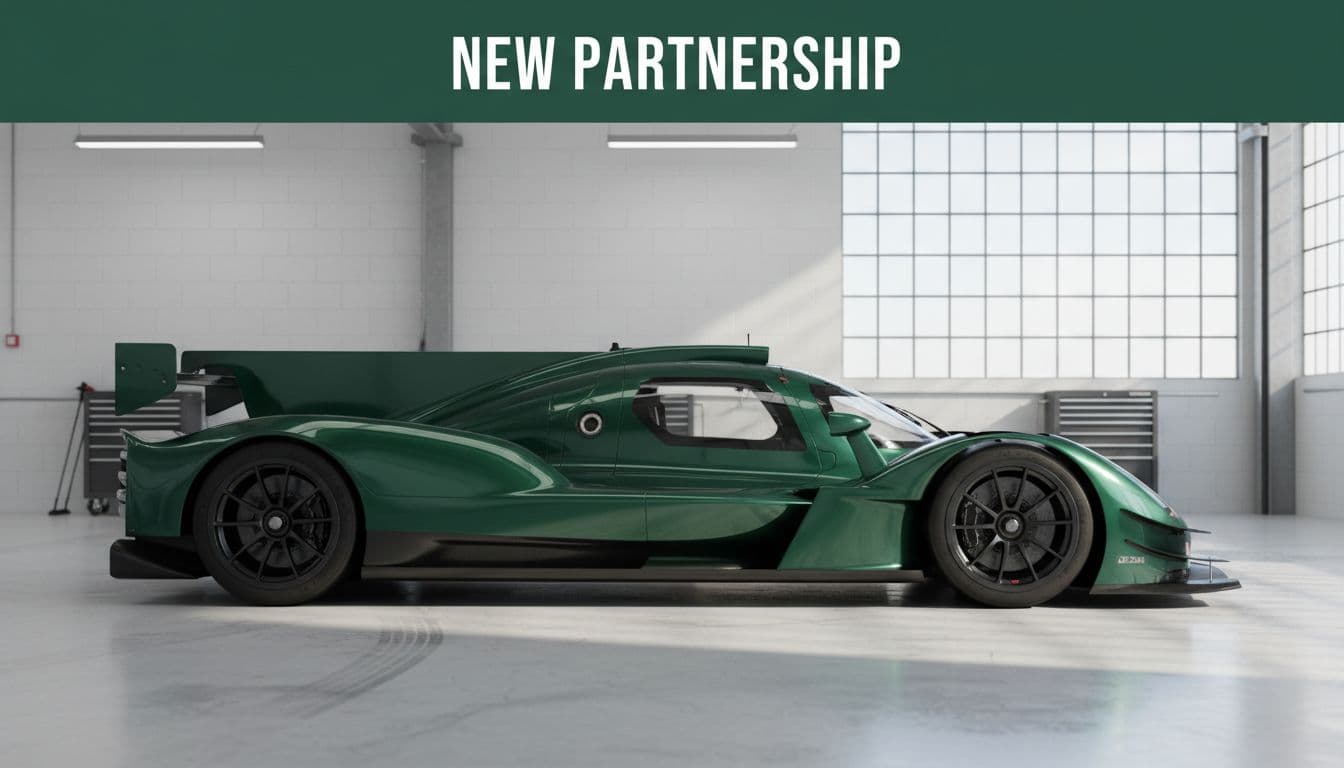
The first race after signing matters because it turns the deal into something people can see. At short track racing Wisconsin events, the sponsor’s brand can show up on the car, in the pits, and in the photos that circulate after the checkered flag.
That first stretch should be active, not passive. A sponsor should see social posts that name the business clearly, photos that show the car in action, and short updates that make the connection easy to follow. When people can spot the brand in a race recap, the sponsorship starts to earn its keep.
For teams and sponsors alike, the story matters as much as the decal. A page like Wisconsin race car driver Joel Willman helps tie the brand to a real person, a local history, and a Midwest fan base. That kind of context gives a sponsor something to talk about beyond the track.
In Wisconsin stock car racing, the best early content is often simple. A clean car shot, a pit-side moment, a driver update, and a post-race recap can do more than a flashy campaign. The key is consistency. A sponsor wants to see the same brand message repeated often enough to stick.
Keep an eye on the small details too. Captions should use the sponsor name correctly. Tags should be right. Photos should be sharp enough to use again. Those basics sound small, but they build trust fast.
Make the middle month useful, not busy
By days 31 to 60, the partnership should move beyond the first wave of attention. This is where a Midwest race team sponsorship starts to feel real to the sponsor’s customers, employees, and local contacts.
The middle month is a good time for practical activation. A sponsor might share a race-day post from its own channels, invite employees to follow the season, or use photos from the team in newsletters and website updates. Some brands will want a trackside appearance. Others may want a giveaway, a business visit, or a local community tie-in.
That variety matters because different companies buy sponsorship for different reasons. One business wants awareness. Another wants customer goodwill. A third wants a local story it can talk about with pride. A good racing sponsorship plan can support all three without making the message feel forced.
A sponsor should be able to explain the partnership in one sentence after 90 days.
That sentence should sound simple and specific. It might mention the car, the races, the local audience, or the business goals. If the sponsor has to guess what the partnership did, the plan needs more work.
This is also the right time to connect the sponsorship to the sponsor’s own world. For example, a company in retail, manufacturing, home services, or professional services can use race photos in employee communications or customer touchpoints. The brand does not need to chase every possible tactic. It just needs a few that fit.
For businesses exploring Wisconsin race team sponsorship, the middle month is where the relationship starts to feel useful. It shows whether the team can support the sponsor with good content, prompt replies, and a clean image that matches the company’s standards.
Track the right signs, then adjust the plan
A sponsor does not need a giant report. It needs a clear one. By the 60 to 90 day mark, the team should be able to point to what happened, what got shared, and what got noticed.
The best reports are easy to read. They list races attended, social posts published, photos delivered, mentions made, and any community activity completed. They also include a few examples that prove the work happened. A screenshot, a photo, or a post link can tell the story quickly.
That kind of reporting matters because it helps the sponsor answer a simple question, is this working for us? If the answer is yes, the next step becomes easier. If the answer is mixed, the team can adjust the content mix, the posting rhythm, or the event plan before the season moves on.
For companies looking at racing sponsorship opportunities Midwest, that flexibility is part of the value. Tracks, fans, and schedules change. A smart plan stays steady without becoming rigid. It gives the sponsor room to test ideas, learn what the audience likes, and use the rest of the season better.
Use the last stretch of the first 90 days to review three things:
- What got the most attention
- What content felt easiest to share
- What race-day moments created real conversations
Those answers are more helpful than a long deck full of vague numbers. They show where the partnership has momentum and where the next push should happen.
Turn the first 90 days into the next 90
By day 90, the best time to ask about the next season is already here. Not because the current one is over, but because the sponsor now has enough proof to make a good decision.
This is when a team should bring the conversation back to value. What did the sponsor gain? What audience did the brand reach? Which parts of the plan worked best? In how to sponsor a race team terms, this is where the process stops being theoretical and starts becoming repeatable.
A sponsor that likes the first 90 days often wants three things next, more of what worked, fewer gaps in communication, and a clearer path to bigger exposure. That might mean more races, more content, or more local activation. It might also mean a longer package that fits the next season better.
If your company wants to keep the momentum going, Become a Sponsor and start the next conversation while the season is still fresh. The sooner the plan is in motion, the easier it is to build from what already worked.
Conclusion
The first 90 days after a sponsorship is signed should do one thing well, prove that the partnership has a pulse. Clear communication, steady visibility, and simple reporting make that happen.
For businesses weighing racing sponsorships, the early months are where the car becomes more than a logo and the track becomes more than a weekend stop. When the plan is organized from the start, the sponsor gets a story it can use and a reason to stay involved.
A strong first 90 days gives both sides something useful, and that is what keeps a Wisconsin partnership moving forward.