Traditional marketing in the Midwest used to feel dependable. A radio spot, a print ad, or a stack of flyers could keep a name in front of people for weeks.
That approach is losing ground. Buyers search on phones, read reviews, and compare options before they call. If your message only appears once, it fades fast.
The businesses getting attention now are the ones that show up where people already look, then give them a clear reason to respond. That shift explains why old habits are slipping and why a different mix matters.
Old Media Still Shouts, But Buyers Keep Scrolling
Traditional ads still reach people, but reach is not the same as interest. A mailbox flyer interrupts someone. A radio ad breaks a drive. A newspaper ad lands beside a dozen other messages. That is why traditional ads interrupt people instead of meeting buyers when they want help.
For a small business, that matters. You are not selling to a crowd that sits and waits for your message. You are competing with texts, search results, reviews, and short videos. If your offer is vague, the audience moves on.
That problem gets bigger when a campaign cannot be measured well. You can count brochures and ad runs, but you cannot always see which one led to a call. As a result, money gets spent on visibility without enough proof.
A lot of owners still trust tradition because it feels familiar. Yet familiar does not mean effective. If a message does not match how people buy now, it becomes background noise.
What Midwest Buyers Expect in 2026
The current local market favors fast answers. In 2026, people want local SEO, strong reviews, and content that sounds like a real person wrote it. They also expect quick replies, easy contact forms, and pages that speak to their city or service area.
A good look at traditional vs digital marketing for local businesses shows why this shift is so sharp. Digital tactics are not magic, but they match how people search now. A person who types “best roofer near me” is ready to act. A postcard in the trash is not.
Short-form video matters too. Before-and-after clips, quick tips, and behind-the-scenes shots often do more than a glossy ad because they feel immediate. Reviews work the same way. People trust a neighbor’s experience more than a slogan.
That is why the strongest local plans mix search, video, and response time. Traditional marketing can still support the mix, but it should not carry the whole load.
Why Racing Sponsorship Fits Better
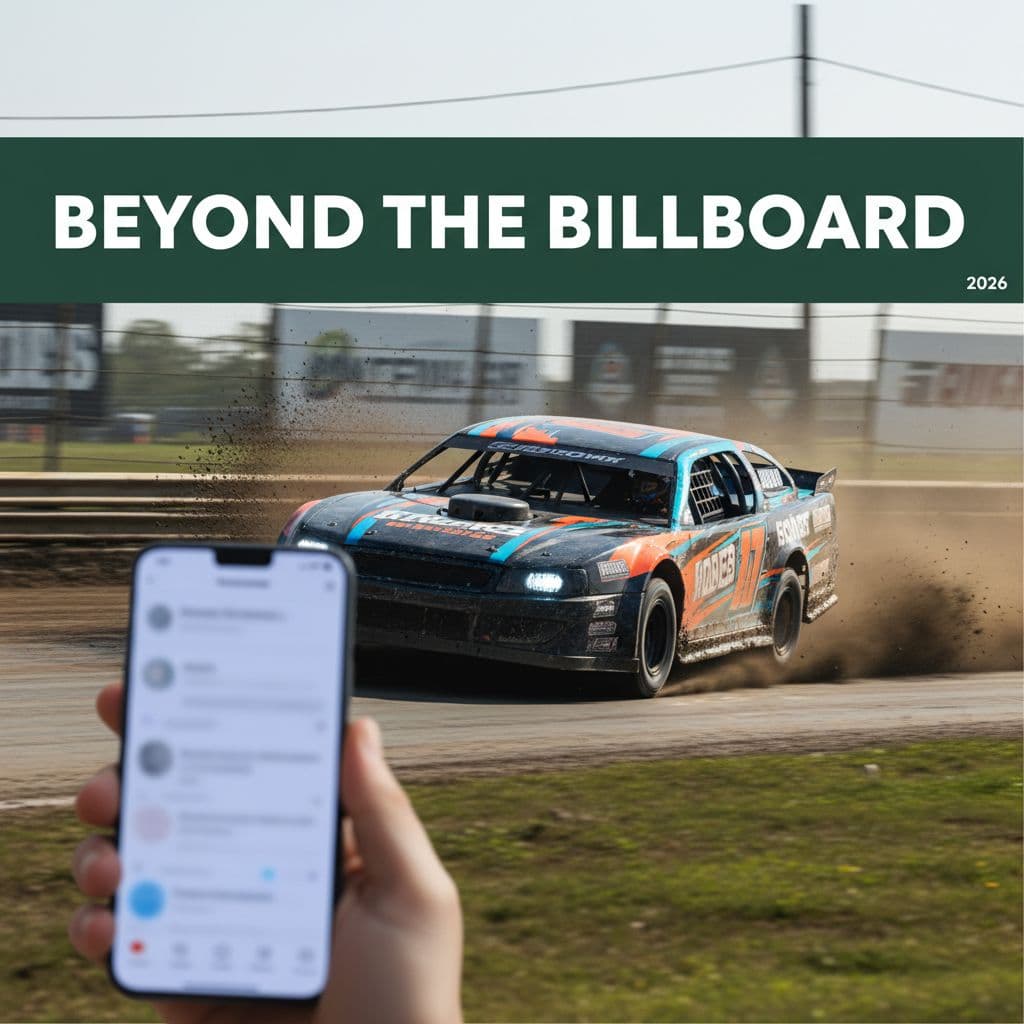
This is where racing sponsorships start to make sense for Midwest companies. In short track racing Wisconsin and Wisconsin stock car racing, the same fans show up week after week. They know the cars, the drivers, and the businesses that support them. That repeat exposure is hard to buy with a single ad.
A race team sponsorship Wisconsin plan works because it gives you more than a logo on a panel. You get trackside visibility, social posts, photos, event appearances, and content you can reuse on your own channels. That is much easier to explain than a broad ad buy. It also fits businesses that want Midwest race team sponsorship with a local feel.
If you want to sponsor a race car Wisconsin buyers will remember, the offer has to include more than a decal. It should connect your brand to a story people see at the track and online. That mix turns a sponsor from a name on a car into part of the weekend experience.
People remember what they see in person, then they notice it again online.
For many owners, racing sponsorship opportunities Midwest are appealing because they feel real. The team is local. The fans are local. The results show up in the same places your customers already spend time.
How to Sponsor a Race Team the Right Way
If you want to know how to sponsor a race team, start with fit. Look at where the team races, how often it posts, and what kind of content it shares. A good sponsor package should explain who sees your brand and how the team will keep it visible.
Before you sign, ask three simple questions:
- Who will see my brand at the track and online?
- What photo, social, or video assets come with the deal?
- How will the team report value during the season?
Those questions cut through vague sales talk fast. They also help you compare options without guessing.
The profile for Wisconsin race car driver Joel Willman shows how a team can connect racing with community reach. That is the kind of context you want before you commit. You are not buying empty space. You are buying attention, access, and a story people can follow.
A strong partner will also make it easy to activate the relationship. Ask about photo use, online mentions, trailer graphics, and event appearances. Ask how they support sponsor posts during the season. If the answers are clear, the partnership is easier to measure and easier to use in your own marketing.
When the fit is right, the next step is simple. Use Become a Sponsor to start the conversation and see whether the package matches your goals.
Conclusion
Traditional marketing fails when it asks too much of attention that buyers no longer give. It also fails when it cannot show clear proof. That is why so many Midwest owners are shifting toward channels that feel local, useful, and real.
Racing fits that job well because it gives visibility with a human face behind it. For Wisconsin businesses, that mix can be stronger than another round of postcards or broad ads.
The better move is to choose marketing people can actually see, remember, and trust.