A race fan rarely remembers only the finish. More often, they remember the driver, the team colors, the sound, and the brands they saw all night. That mix matters for motorsports fan loyalty. People don’t stick with a race team because of one logo on a car. They stay because the team feels familiar, local, and worth backing. For businesses that want real attention, that changes how racing sponsorships work.
The Deep Connection to Racing
Fans build loyalty through repetition and emotion. They see the same driver, the same crew, and the same sponsors week after week. Over time, those names stop feeling random.
A useful clue comes from sport marketing research. A study of Formula 1 attendees found that attachment and motivation explain a lot of loyalty, including the intent to keep coming back and supporting the sport. You can see that pattern in research on attendee loyalty. Fans attach meaning to a team, then they attach meaning to the brands beside it.
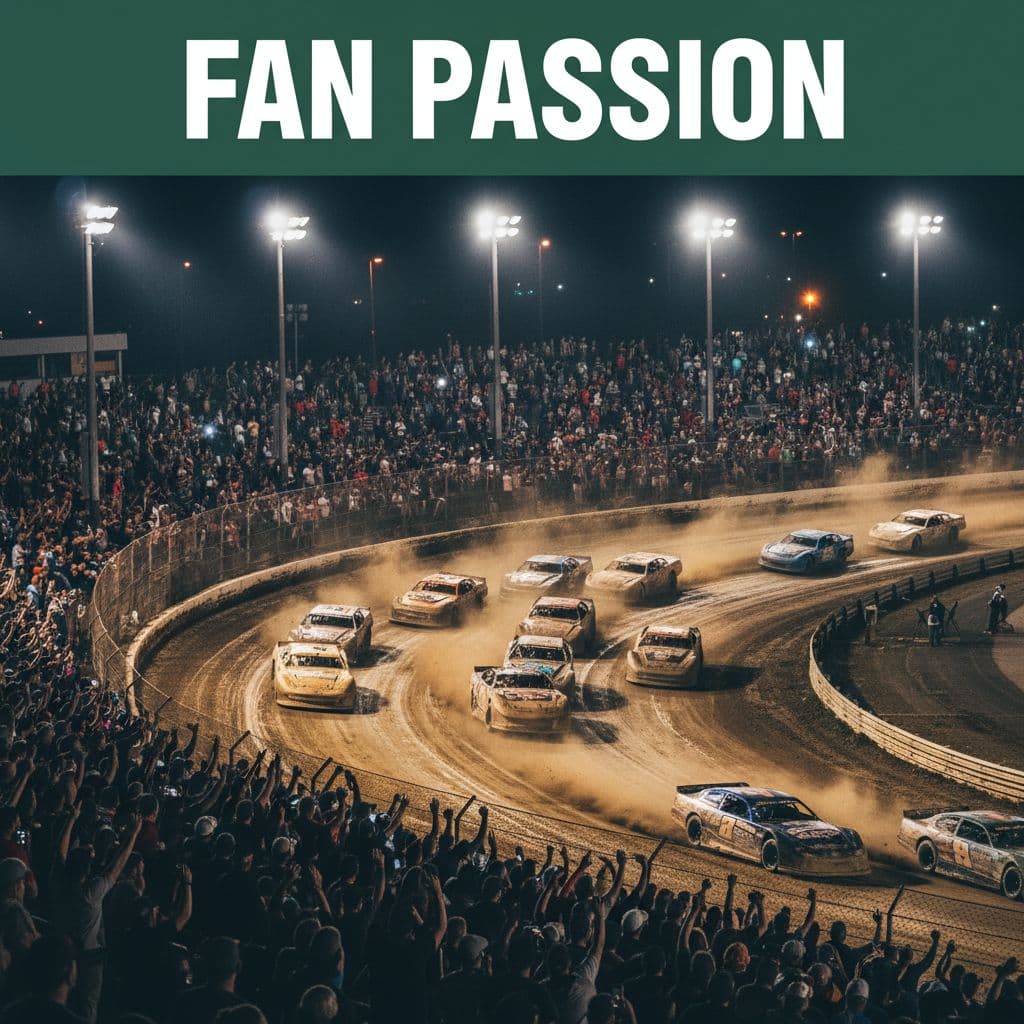
That’s why race-day advertising works best when it feels part of the experience. A logo on a car is one thing. A logo tied to a favorite driver, a family tradition, or a Friday-night routine is something else.
Fans often remember who supports their team before they remember the product name.
Why Wisconsin Tracks Build Stronger Bonds
Local racing makes the bond stronger because the crowd feels close to the action. In short track racing Wisconsin fans can hear the cars, see the pit crews, and watch the same faces every week. That closeness creates trust.
Businesses looking at Wisconsin stock car racing should pay attention to this. A fan who sees a sponsor on the side of a car at the same track all summer is not making a quick impression. That brand becomes part of the track’s routine.
The same idea shows up in Joel Willman’s racing story, where local roots and long-term relationships matter as much as results on the scoreboard. That kind of story gives sponsors a real person to support, not just a vehicle number.
For a company, that matters because local loyalty is easier to remember and harder to ignore. A neighbor’s business, a familiar track, and a driver fans know by name all reinforce one another. That is the heart of race team sponsorship Wisconsin brands can use.
What Fans Notice in Race Day Advertising
Fans do not just watch the cars. They watch the details around the cars. They notice who is on the hood, who posts photos after the race, and who shows up in the pits.
Trust plays a big role here. Research in the Journal of Sport Management found that trust and team identification are strong drivers of fan loyalty. Read more in this study on trust and fan loyalty. In plain terms, when fans trust the team, they are more likely to notice and support the sponsors tied to it.
That helps explain why motorsports fan loyalty works so well for advertising. The sponsor is not interrupting the fan experience. It is inside it.
Brands get remembered when they show up in these places:
- On the car during heats and feature races
- In social posts with race photos and results
- In pit-area appearances and fan meetups
- In team merchandise and sponsor shoutouts
Each touchpoint adds another layer. A single race may build awareness. A season builds memory.
Turning Fan Loyalty Into Sponsorship Value
This is where businesses need to think differently about racing sponsorships. The goal is not only to buy a decal. The goal is to become part of the story fans already care about.
That is why Midwest race team sponsorship can work so well for regional brands. The audience is close enough to feel local, but wide enough to reach beyond one town. A sponsor can support a team, meet customers in person, and still get online exposure through photos and race updates.
If you are comparing racing sponsorship opportunities Midwest companies can use, look for more than trackside visibility. Ask how often the team interacts with fans. Ask what kind of social content they post. Ask how they help a sponsor look active, not passive.
For brands that want a clear next step, how to sponsor a race team should come down to three questions:
- Who sees the brand at the track?
- What kind of story does the team tell online?
- How does the sponsor get introduced to fans in a real way?
Those answers matter more than a polished sales pitch. They show whether the partnership can create recognition, trust, and repeat exposure.
If your company wants to sponsor a race car Wisconsin fans will remember, the best move is to start a real conversation with a team that understands its audience. Become a Sponsor if you want to explore a partnership that reaches fans on race night and long after the checkered flag.
Conclusion
The psychology behind fan loyalty is simple once you see it. Fans support what feels familiar, trusted, and local. In motorsports, that feeling spreads to the brands that stand beside the team.
For businesses, that means sponsorship is not just about visibility. It is about becoming part of a fan’s routine, memory, and trust. When that happens, motorsports fan loyalty becomes more than a feeling, it becomes a reason people remember your brand.