A smart racing sponsorship does more than put a logo on a car. It can put your brand in front of local fans, give you fresh content for your own channels, and open doors in your community.
For Wisconsin businesses, that matters. The best deals are the ones that keep working after race night ends, especially when the team gives you clear exposure and usable assets.
Start with the outcome you want
Before you sign anything, decide what the sponsorship should do for your business. Do you want more local awareness, store visits, leads, or community trust? A clear goal makes every other choice easier.
That matters in Wisconsin stock car racing, where fans often follow the same team all season. Repetition builds recognition. In short track racing Wisconsin fans see the car, the driver, and the sponsor name over and over, which makes the right partnership feel familiar fast.
A team page like Joel Willman racing sponsorships should help you see the bigger picture. Look for the race schedule, the tracks, the media support, and the way the team talks about its partners.
A decal is the start line, not the finish line.
The more useful question is simple: what will this partnership do for your brand after the green flag drops?
Choose the right team and the right package
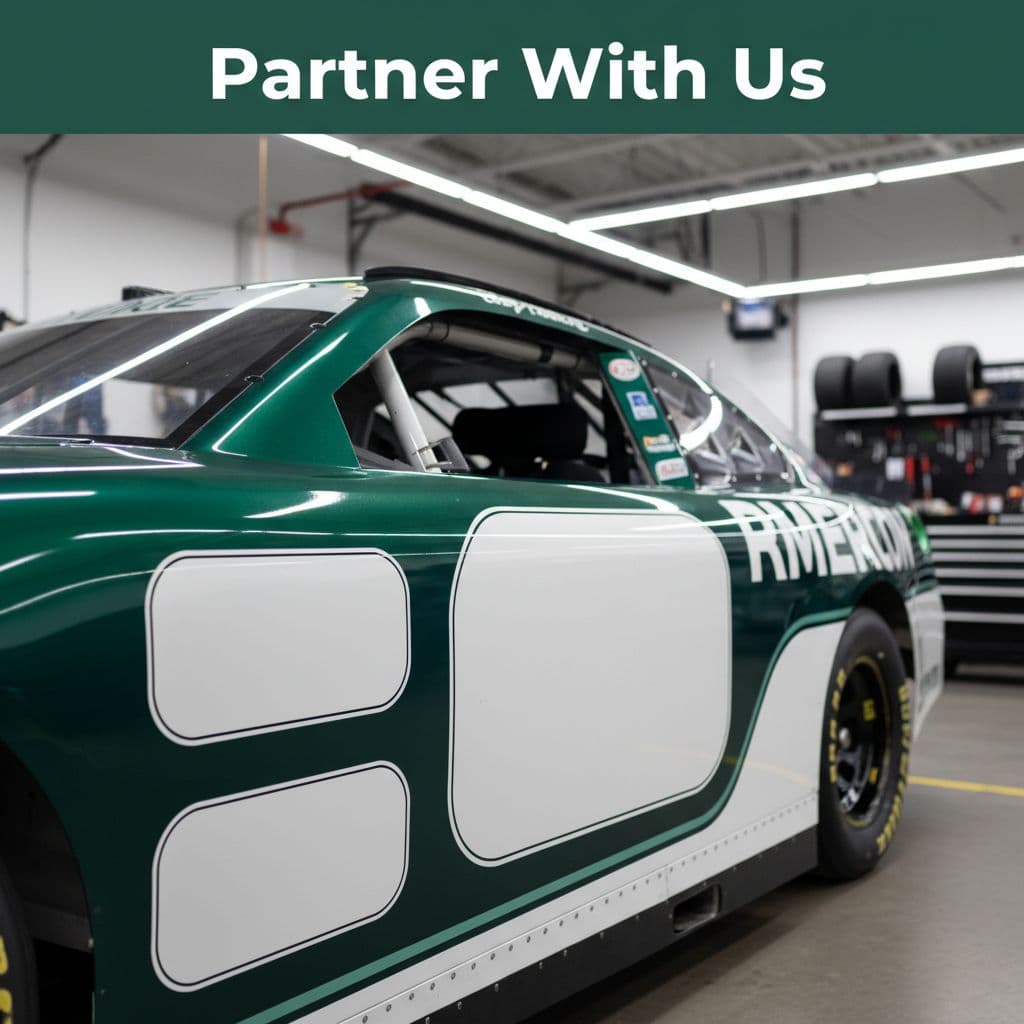
A good fit matters more than a flashy price tag. A race team sponsorship Wisconsin package should match your budget, your market, and your audience. If the team races near your customers, that is a strong start.
A Midwest race team sponsorship can work well for regional brands because the exposure travels across several tracks. Many racing sponsorship opportunities Midwest businesses miss are smaller packages that still offer regular posts, photos, and trackside visibility.
If you want to sponsor a race car Wisconsin, ask for facts, not guesses. Get the schedule, crowd size estimates, social reach, and what the team will actually deliver. If you are still learning how to sponsor a race team in a way that makes sense, start with the basics and build from there.
A practical 2026 planning range in Wisconsin looks like this:
| Sponsorship level | Typical range | Best fit |
|---|---|---|
| Small support or decal deal | $300 to $1,500 per race, or $1,500 to $4,000 per season | First-time testing and local awareness |
| Mid-tier seasonal partner | $4,000 to $12,000 | Ongoing presence and regular activation |
| Primary or title sponsor | $12,000 to $35,000+ | Strong brand use and deeper partnership |
The takeaway is clear. Start where your goals and budget meet. Then make sure the team can prove the value with real deliverables.
Turn the sponsorship into active marketing
A logo sitting still is easy to ignore. A logo tied to posts, photos, appearances, and offers keeps moving.
For a local business, that is where the return grows. A good sponsorship is part race support and part marketing plan. If the team only promises trackside placement, you are leaving value on the table.
For a practical roadmap, the guide on motorsport sponsorship activation offers useful ideas. The best programs do not wait for fans to notice the car by chance. They create reasons for people to talk about it.
Use a simple activation plan:
- Announce the partnership before the first race.
- Share race-week photos, results, and behind-the-scenes shots.
- Put the driver or team in front of your customers through visits or giveaways.
- Use sponsor photos in your own ads, email, and social posts.
That is how a sponsor a race car Wisconsin deal becomes more than a decal package. It becomes content, community, and repeat contact.
Measure what matters and keep the relationship warm
If you do not track results, you are guessing. Start with the basics, like website visits, coupon use, social engagement, calls, and in-store traffic. Those numbers will not tell the whole story, but they will tell you enough to improve.
For a deeper framework on return, the motorsport sponsorship ROI guide explains how teams and brands can think about results over time. The main lesson is simple. Measure early, then adjust while the season is still moving.
Ask the team for race recaps, photos, and post numbers after each event. Then use those assets in your own marketing. When both sides stay active, the sponsorship feels less like a transaction and more like a working partnership.
If the fit feels right, use the Become a Sponsor form to start the conversation.
Make the partnership work beyond race day
The best sponsorships are easy to spot. The team gets support, and the business gets steady visibility that feels local and real. That is why racing sponsorships work best when you treat them like an active marketing channel, not a one-time purchase.
For Wisconsin businesses, the strongest return comes from clear goals, the right team, written deliverables, and steady promotion. When those pieces line up, the money you spend has a much better chance of coming back in brand value, relationships, and real attention.