Small businesses do not need the biggest ad budget to get noticed. They need the right audience, the right setting, and a reason for people to remember them. That is where motorsports marketing works well. Racing gives local brands a loud, live, and repeatable place to show up, especially when customers already care about the teams, the tracks, and the weekend schedule.
For companies that want a stronger local presence, the real advantage is simple. Racing puts your brand in front of people who are already paying attention.
Why motorsports marketing fits small business budgets
Traditional ads can feel distant. A racing program feels local, personal, and visible in a way that sticks.
At a short-track event, fans see the same car, the same name, and often the same sponsors week after week. That repetition matters. It builds memory faster than a single online impression.
Small businesses also like racing because the content keeps working after the checkered flag. Photos, social posts, race recaps, and trackside images can be reused across a full season. In other words, one partnership can produce a lot more than one post.
For owners looking at motorport sponsorship guide for small businesses, the pattern is clear. Local racing gives a focused audience, strong brand placement, and a way to meet people where they already spend time.
What racing sponsorships actually buy you
A lot of business owners think of sponsorship as just a logo on a car. That is only part of the picture.
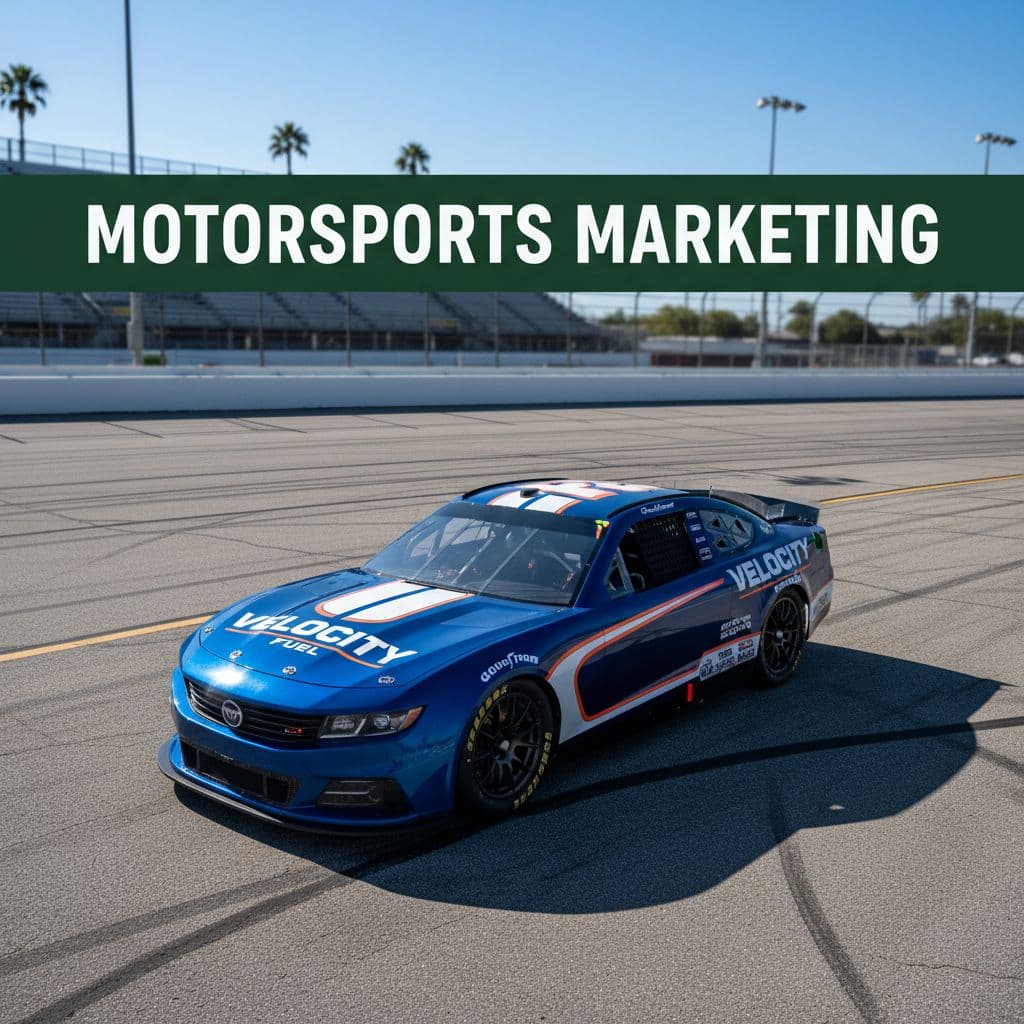
Good racing sponsorships create repeated exposure in several places. Your brand can appear on the car, in the garage, on team apparel, in photos, and in social content. It can also show up through track signage, fan giveaways, and appearance events.
That mix matters because people do not remember marketing in one clean line. They remember what they see many times, in many forms.
Working with a driver like Joel Willman gives sponsors a face, not just a decal. That human element helps a company feel part of the team, not just another name on a panel.
| Sponsorship asset | What it does | Best fit |
|---|---|---|
| Car graphics | Puts your brand in front of fans all season | Businesses that want repeat visual exposure |
| Team apparel | Keeps your name in photos and pit-area shots | Local brands that want a clean, simple look |
| Social media content | Extends reach after race day | Companies that want online visibility |
| Fan activation | Creates direct contact with customers | Retail, food, service, and event-based brands |
That is why many racing sponsorship opportunities Midwest businesses look for are more practical than flashy. The best ones create touchpoints that fans actually notice.
The strongest sponsor programs feel useful to fans, not forced on them.
How trackside presence turns into local trust
The best local campaigns do more than display a logo. They help a business feel like part of the scene.
That is a big reason short track racing Wisconsin fans respond well to sponsors. The events are close, personal, and full of familiar faces. People see the same cars, the same crews, and the same local businesses all season long.
For companies exploring Wisconsin stock car racing, that repeated contact is valuable. It gives a sponsor a place in the community, not just a spot on a car. Restaurants, home service companies, auto shops, contractors, and retail brands can all use that setting to build recognition.
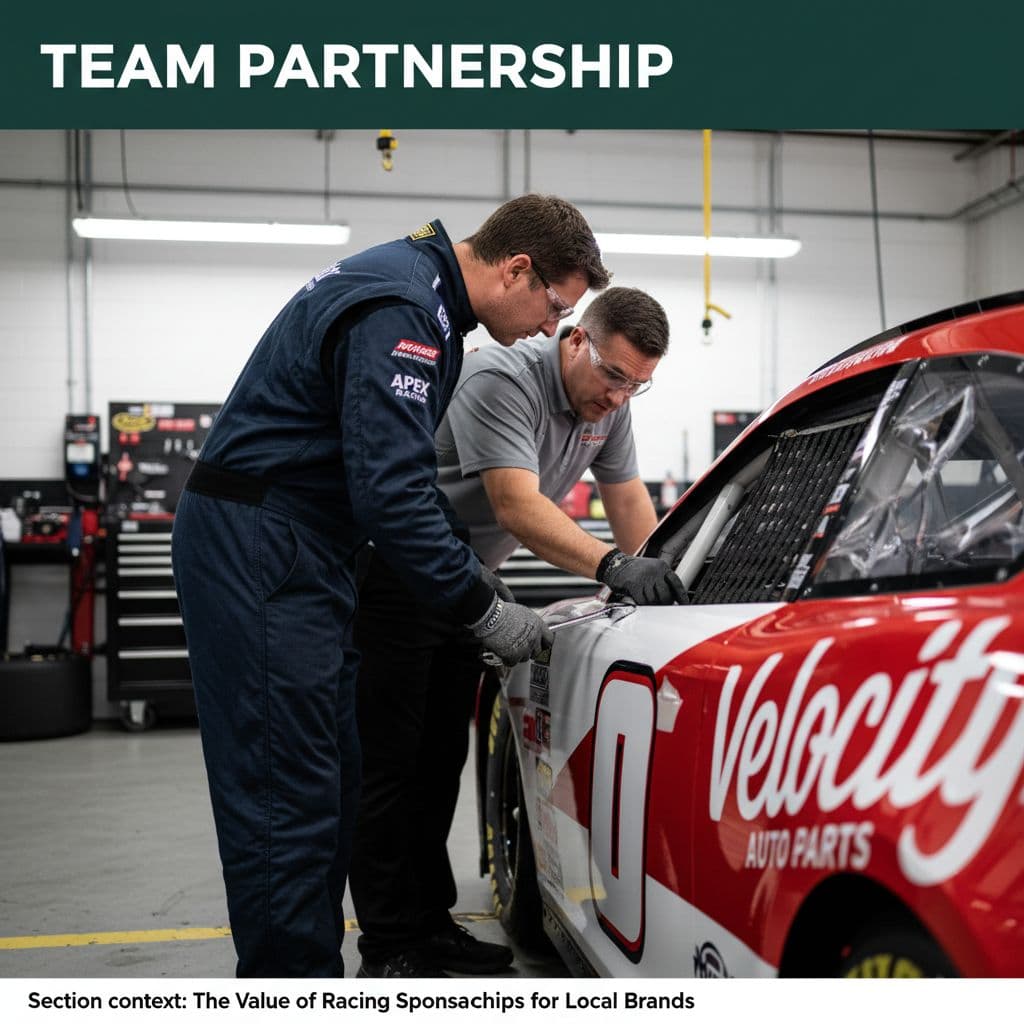
A local sponsor can also tie in giveaways, race-night offers, or booth visits. That is how a business can sponsor a race car Wisconsin fans already follow and then turn that attention into store visits or leads.
Grassroots programs work because they feel close to the audience. The idea is echoed in grassroots racing sponsorship, where local relevance and fan loyalty matter more than massive reach. For small companies, that can be a better fit than broad advertising with no clear local connection.
How to sponsor a race team without wasting budget
If you are figuring out how to sponsor a race team, start with fit, not just price. The right partner should match your customer base, your goals, and your comfort level.
That matters even more for race team sponsorship Wisconsin deals and broader Midwest race team sponsorship programs. You want a plan that works at local tracks and still gives you content for the rest of the week.
- Pick the audience you want to reach.
If your best customers are local families, tradespeople, or motorsports fans, say that upfront. - Choose the kind of exposure you want.
Some sponsors want car graphics. Others want social posts, event appearances, or sponsor shoutouts. - Ask what assets you get.
Photos, video clips, team mentions, and fan engagement all help your brand stay active. - Set one simple result to watch.
Track website visits, calls, coupon use, or event leads so you know what worked.
If the fit feels right, the Become a Sponsor form is the easiest next step. It opens the door to a conversation about goals, packages, and the kind of exposure that makes sense for your business.
You can also compare different racing sponsorships the same way you would compare ad placements. Ask what the audience sees, how often they see it, and where the brand shows up after race day. That is where good value starts.
Conclusion
Small businesses do not need a giant media buy to compete. They need visibility, trust, and a team that can put their name in the right places.
Motorsports marketing gives them that chance through live events, local fans, social content, and repeat exposure. When the partnership fits the audience, the track becomes more than a place to race. It becomes a place where customers notice, remember, and connect.