The price of short-track racing sponsorship and race sponsorship in Wisconsin can swing fast. A small logo on a weekly race car might cost less than a print ad, while a track-level presenting package can reach five figures in a hurry.
That gap confuses a lot of potential sponsors. You’re not buying one generic product. You’re buying access to fans, local trust, repeat exposure, and the team’s ability to turn race nights into real marketing.
If you want a clear 2026 pricing guide, remember that cost is just one component of your broader marketing strategy. Start with the ranges, then look at what drives the value.
Typical Wisconsin short-track racing sponsorship costs in 2026
There isn’t one statewide price sheet. Costs change by racing series, club racing divisions, track size, schedule, and how much promotion comes with the deal. Still, most Wisconsin racing sponsors land in a few clear buckets.
This quick table shows realistic 2026 ranges for local teams and sponsorship packages.
| Sponsorship format | Typical Wisconsin range | Best fit | Common inclusions |
|---|---|---|---|
| One-race team partner | About $750 to $3,500 | Small business testing the waters | Small decal, race-night posts, pit passes, mentions |
| Season-long associate sponsor | About $3,000 to $10,000 | Local business wanting steady visibility | Car logo, recurring social content, photos, hospitality |
| Season-long primary sponsor | About $10,000 to $25,000+ | Regional brand needing stronger reach | Large logo placement, driver appearances, custom content |
| Event presenting sponsor | About $2,500 to $20,000+ for one event | Larger advertisers | Naming rights, banners, vendor space, tickets |
| title sponsorship | $45,000+ | Major regional or state-wide sponsor | Top branding, heavy promotion, premium access |
| In-kind sponsor | Product or service value, often a few hundred to $10,000+ | Shops and service providers | Parts, wraps, printing, towing, food, media support |
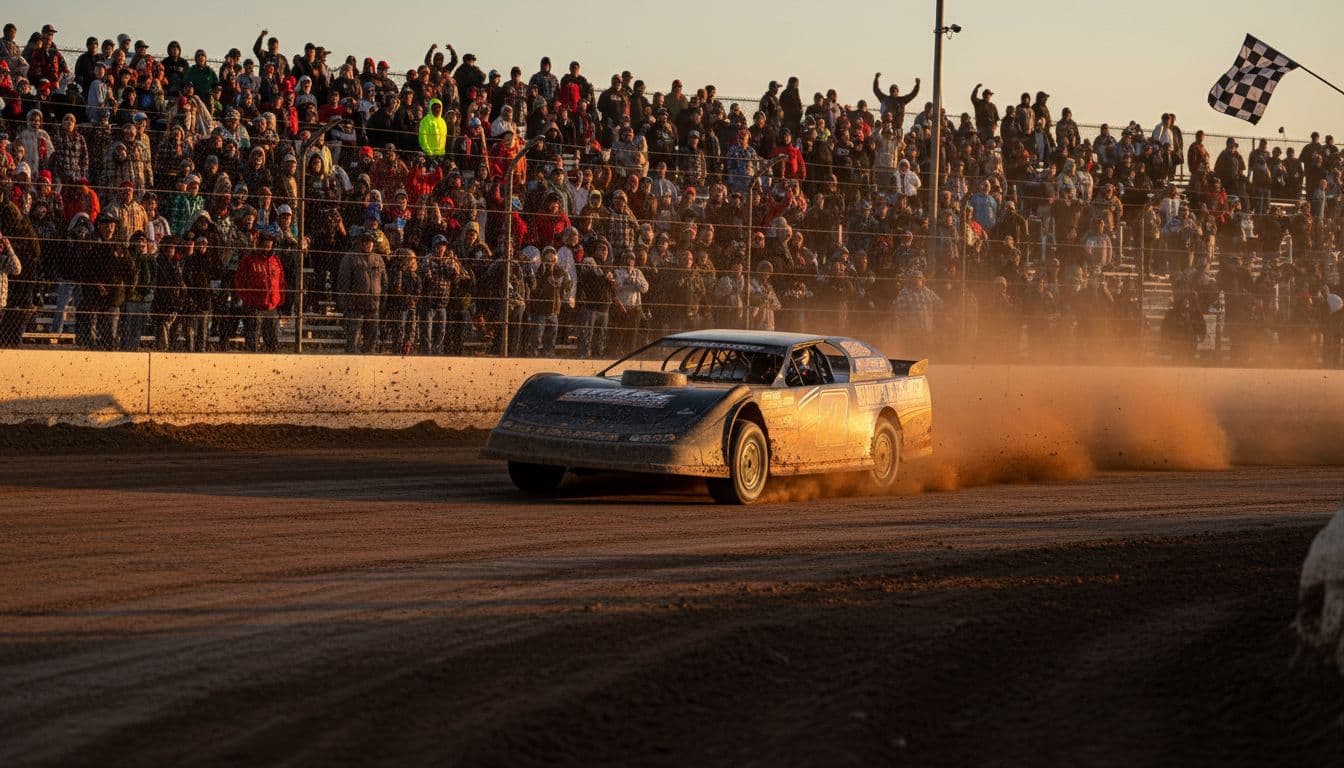
The big thing to notice is this: team-side deals usually cost less than track-side event sponsorships. A weekly car gives you repeated local exposure in grassroots racing, but a track package can include naming rights, banners, PA reads, and on-site activation.
Current Wisconsin examples support that range. Short-track style event packages at Dirt City Motorplex have started around $2,500 for entry-level support, climbed to about $20,000 for presenting rights, and reached $45,000 or more for title positions. That doesn’t mean every weekly team race sponsorship costs that much. It means the price rises when the rights package gets bigger.
What pushes sponsorship cost higher or lower
A race car isn’t a billboard on wheels unless the team leverages its sponsorship assets to promote effectively. That’s why two cars in the same pit area can price packages far apart.
First, audience size and demographics matter. A packed grandstand, strong media exposure through live streams, and robust Facebook following lift value fast. So does race frequency. Twenty nights of exposure usually beats one big splash, unless the event itself is huge.
Next, division and performance matter. A front-running Late Model or strong asphalt program boosts brand awareness and aligns with professional racing standards, commanding more than a back-marker weekly car. Fans remember winners, clean branding, and teams that show up every week. A credible story also helps. That’s part of why a profile like Joel Willman driver profile can strengthen sponsor interest before a season even starts.
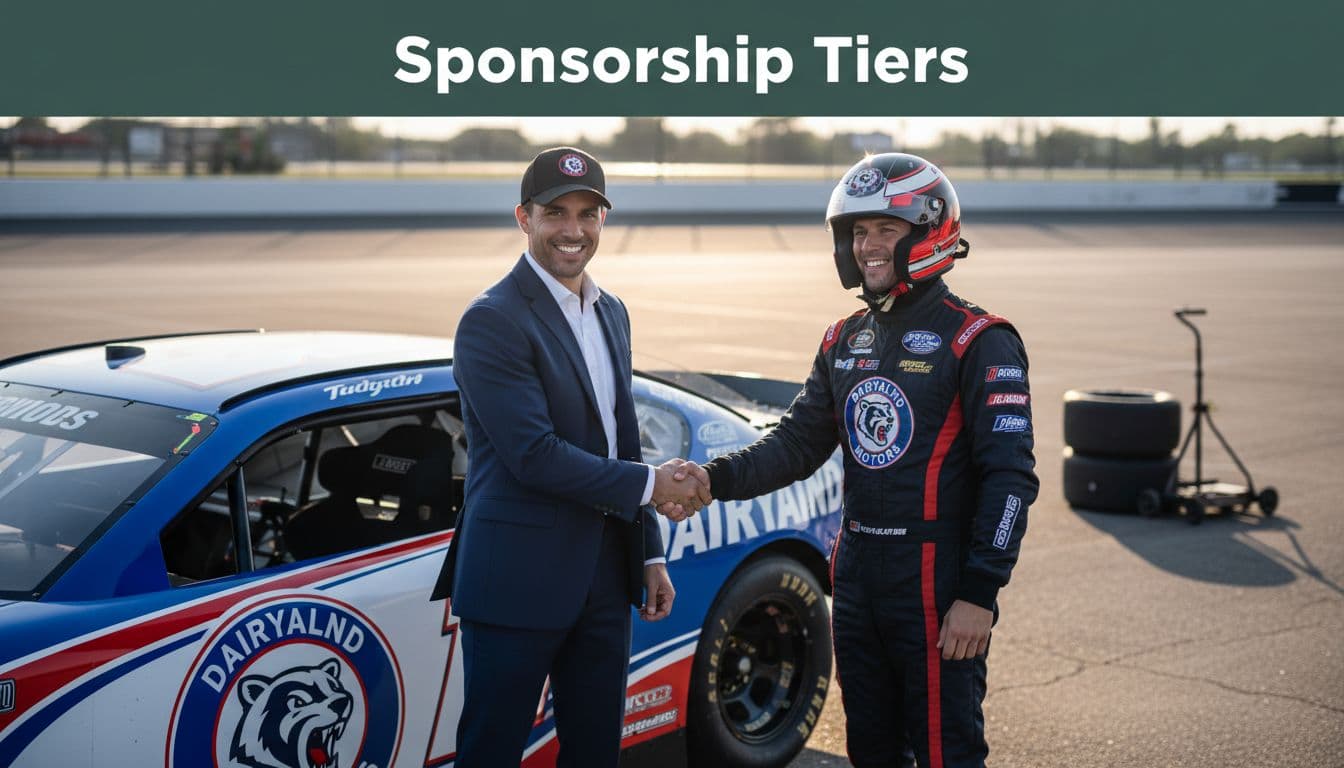
Then there is sponsor activation. A logo alone has one kind of value. Add driver appearances, customer meet-and-greets, employee nights at the track, promo videos, and tagged posts, and the price should rise to reflect better return on investment and alignment with business objectives. That’s because the sponsor now has tools to use away from the track.
Price isn’t the whole story. Value comes from how often people see your brand, remember it, and connect it to a team they like.
Geography also plays a role. A single-car team racing close to home often suits local racing sponsors like a restaurant, repair shop, insurance office, or bank branch. Meanwhile, regional racing sponsors may want branding opportunities across several tracks, broader travel, better hospitality, and category exclusivity. At that point, the package starts to look more like venue marketing, which is why programs such as Road America’s sponsorship offerings sit far above most local weekly short-track deals.
What sponsors usually get, and how to choose the right tier
Start with a discovery session to help your business pick the right sponsorship package tier for race sponsorship.
Most deals fall into three practical types.
One-race sponsorships work like a trial run, often outlined in the sponsorship proposal. They’re a good fit for a local business that wants to test fan response, bring staff to one event, or tie the promotion to a sale or grand opening. Expect a smaller decal, a few tickets or pit passes, one or two social posts, and race-day photos.
Season-long sponsorships give you more repetition, which is where real memory starts with your target audience and supports your marketing goals. These usually include better logo placement, more social content, mention in team graphics, hospitality, and use of race photos in your own marketing. If the team races a full Wisconsin schedule, the value grows because your brand keeps showing up.
In-kind sponsorships are common and often smart. Tire shops, fabrication shops, restaurants, trailer dealers, printers, and wrap companies can trade real value instead of writing a full check. That can lower out-of-pocket cost for the team while still creating a real partnership.
There’s also contingency sponsorship, a specialized option for performance-based rewards from racing sponsors.

For a small local business and other potential sponsors, a practical budget is often $1,000 to $5,000. That usually buys associate-level placement and enough content to see whether the audience responds. For a larger regional sponsor, $10,000 to $25,000 or more is more realistic if you want stronger branding, exclusivity, appearances, and a sponsorship package your sales team can use.
Before you sign the sponsorship agreement as part of this commercial arrangement, ask for the deliverables. How big is the logo? How many race dates? What social posts and social media presence are included? Are photos, video, tickets, and appearances part of the deal? If those items aren’t clear, the number on the invoice doesn’t reflect the sponsorship ROI.
A fair sponsorship package should be easy to explain in one page and easy to track all season.
Short-track racing works best when the fit makes sense. Match the budget to the audience, the team, and what you want the partnership to do.
A cheap package that nobody notices isn’t a bargain. A well-built racing sponsorships plan can earn trust long after the checkered flag falls.
If you’re looking at Wisconsin short-track sponsorship for 2026, start small if needed, measure the response, build from there, and nurture a healthy sponsorship relationship.